Agent demos are everywhere. Agents that survive contact with real data, real users, and real consequences are rarer. This is a tour of AI agent patterns that actually run in production — and the engineering that makes them dependable rather than impressive-for-a-week.
If you’re new to the concept, start with What Is Agentic AI? for the fundamentals.
1. Document triage and data extraction agents
The workflow: invoices, RFPs, contracts, and filings arrive as messy PDFs and emails. A person reads each one, pulls out the important fields, and routes it.
The agent: reads the document, extracts structured data with a confidence score on every field, checks it against a system of record, and either files it or escalates low-confidence cases to a human. We wrote about the retrieval and extraction engineering behind this in RAG systems that actually work.
What makes it reliable: confidence scoring, a human-in-the-loop queue for anything below threshold, and a full audit trail.
2. Bid and quote automation agents
The workflow: a request comes in, and someone has to interpret it, price it against catalogs and historical data, and produce a quote — often under time pressure.
The agent: parses the request, matches products, applies pricing logic, and drafts the quote for review. In one engagement this pattern helped a client win $2M in revenue by automating bid response — the speed to respond was the differentiator.
What makes it reliable: grounding in the client’s real catalog and pricing rules, not the model’s guesses, plus a human sign-off before anything goes out.
3. Customer- and tenant-facing assistant agents
The workflow: residents, customers, or prospects ask questions around the clock — most routine, some needing a human.
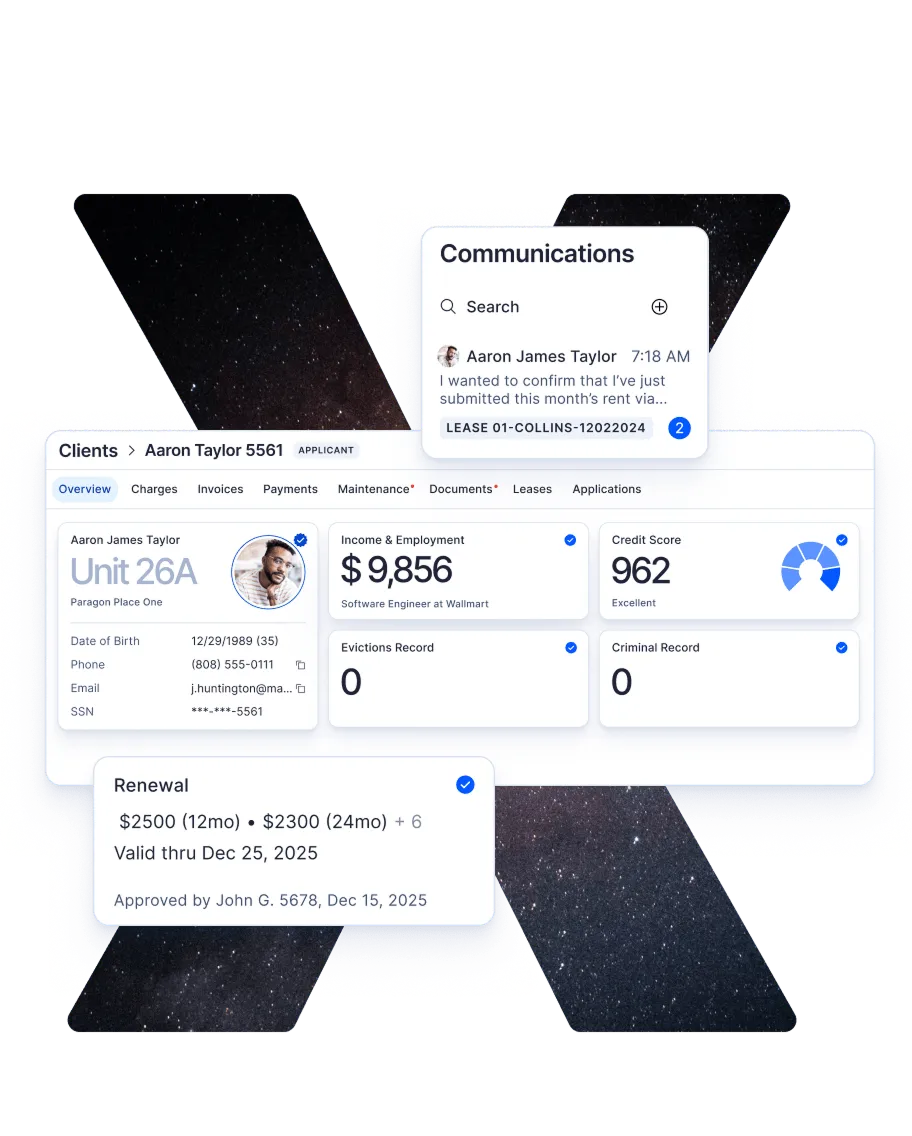
The agent: answers from a governed knowledge base, takes actions like scheduling or creating tickets, and escalates cleanly when it hits its limits. Our Leazbee AI concierge is a working example in property management.
What makes it reliable: tight scoping, retrieval over approved content only, and explicit escalation paths so the agent never improvises on high-stakes questions.
4. Research and monitoring agents
The workflow: teams need to track many sources — news, filings, market data — and synthesize what matters.
The agent: aggregates sources on a schedule, synthesizes a cited briefing, and alerts on thresholds you define.
What makes it reliable: citations on every claim so a human can verify, and recency handling so stale data doesn’t drive decisions.
The common thread
None of these are “the AI runs the business.” Every reliable production agent shares the same backbone:
- Grounded in real data through retrieval, not operating on the model’s memory.
- Guardrails on what tools it can call and what actions it can take.
- Human-in-the-loop for low-confidence or high-consequence decisions.
- Observability — every step logged and auditable.
- Evaluation — quality measured continuously, not assumed.
That backbone is the difference between a demo and a system you can trust. It’s what we build as an AI agent development company.
Have a workflow that looks like “read, decide, act, repeat”? Tell us about it — we’ll tell you honestly whether an agent is the right tool.